
The Real Reason Why Your Homeowners Insurance Skyrocketed (and How to Lower it Down)
Update: Thousands of Americans are lowering their premiums after learning how home insurance actually works. Here’s why.

Evelyn Harrison, Savings Analyst • DECEMBER 5, 2025
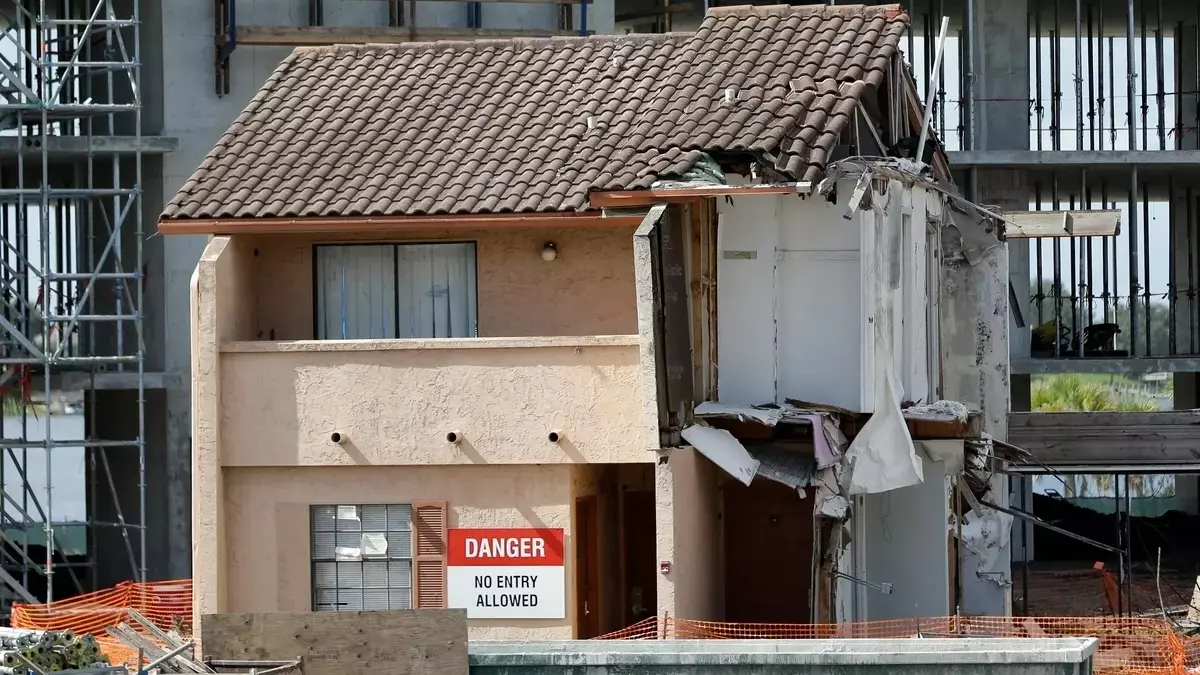
Remember when homeowners insurance was so low it was an afterthought?
Or maybe you recently bought your home and the high premium left you wondering if the previous owner filed claims you don’t know about.
You’re not the only one. Many American consumers are struggling to deal with skyrocketing premiums.
From 2021 to 2024, insurance for a typical home increased by an average of $648 across the country — way above the rate of inflation.1
You may think about self insuring and paying repairs out of pocket if one day something happens. But if you have a mortgage this is not allowed.
You are forced to pay based on how much it would cost to rebuild your home.
And the worst part? You have no control over this calculation, it’s FEMA (Federal Emergency Management Agency) that determines it.
It is based on square footage, location, and building materials — and it may be a lot different than the market value of your home.
A study by Triple-I showed replacement costs spiked 55% from 2019 to 2022 (nearly 4x above inflation!) due to supply chain disruption, escalating costs of construction materials, and labor shortages.
So basically if the cost of the materials needed to rebuild your home goes up? Your homeowners insurance goes up too.
It’s frustrating that you have no say in this. But it gets worse…
There’s another reason for the crazy rise in homeowners insurance premiums.
Insurance companies make their pricing algorithms super complicated.
These calculation models—though hidden from the public—are available to regulators. But because they’re so complex, regulators are not able to monitor them deeply.2
The U.S. system gives insurers lots of freedom to set rules and charge prices that vary widely from state to state, and regulators don’t have the data or resources to guarantee there is always a fair market.
And because there’s no single federal regulator for home insurance, each state sets its own rules.
That’s why premiums are all over the place.
So what can you do to make sure you’re not overpaying and underprotected?
Sure, you can use your own cash to pay for whatever losses you may have. But insurance doesn’t just pay for storm damaged roofs.
It protects you against fire, wind, storms, vandalism, and other risks. It pays for total losses. It pays to replace contents and personal belongings. It pays when you or someone gets injured or dies on your property, including the medical and legal bills. It covers hotels and living expenses while your house is rebuilt.
Most importantly, it gives you peace of mind.
Still, in a best-case scenario, you’ll never need to file a claim or actually use your homeowners insurance in any way. With this in mind, it’s only natural to want to lower your costs as much as possible.
Luckily, in 2025 there is a simple way to pay lower insurance premiums:
Without having to buy resilient roofs, doors, windows, fences, or hire a new landscaper…3
Without having to replace your roof or get a generator…
Without having to move to a house closer to the fire department…
And without having to raise your deductible…
And since loyalty discounts rarely make a dent, the best way to find out if you’re overpaying with your current insurer is to get quotes from multiple companies so you can compare apples to apples.
You need to let insurance companies compete for you.
There’s just one catch:
There are 4,116 property, casualty, and direct insurance businesses in the United States.4
So to find the best rate you must go through them one by one to see who gives you the best rate based on your specific location and climate, your specific budget, and your specific home size.
This is because insurance is a highly individualized product. Every homeowner’s situation is unique.
The company giving me the best deal may be completely different than yours even if we live in the same ZIP code.
That’s why thousands of Americans are using VivaPolicy, an independent comparison website that does the heavy research for you.
In just a few clicks you could reveal hidden discounts that extremely lower your premium.
I’m talking rates as low as $69/month.
And unlike other comparison tools that show you lower prices at the cost of weaker coverage, VivaPolicy shows you affordable full coverage. You get more and pay less.
Remember: You’re never locked into your current policy. If you’ve already paid your bill, you can cancel mid-year, and very easily be refunded your entire unused coverage (it’s the law!).
Policymakers are not in a rush to fix the rising costs of insurance — it’s up to you to check if you’re overpaying. The good news is no one can stop you from doing it.
VivaPolicy.com leverages modern technology to find you the lowest available prices for your needs across a specific list of 30+ top homeowners insurance companies — a list that only includes providers in your ZIP code with high customer satisfaction scores and high financial strength ratings.
Today, you get to stop missing out and finally get to save extra cash every month by getting the affordable full coverage you deserve.
The process is straightforward, simple, and secure. All you need is your smartphone and property information to find the best homeowners insurance deal for you in as little as 2 minutes — without harming your credit score.
Simply tap when you moved to your house below to see if you qualify to use the tool, you’ll be redirected automatically:
When Did You Move To Your Current Home?
Simple and affordable coverage. Complete protection.
© 2025 All Rights Reserved.
No spam from salespeople, no payments that skyrocket after 6 months, real-time personalized quotes from top providers.
Footnotes
- https://consumerfed.org/press_release/new-report-finds-american-homeowners-faced-24-increase-in-homeowners-insurance-premiums-over-the-past-three-years/ ↩︎
- https://greencentralbanking.com/2024/05/29/uneven-us-insurance-regulation/ ↩︎
- https://www.jchs.harvard.edu/blog/californias-homeowners-insurance-market-national-bellwether ↩︎
- https://www.ibisworld.com/united-states/number-of-businesses/property-casualty-direct-insurance/1325/ ↩︎